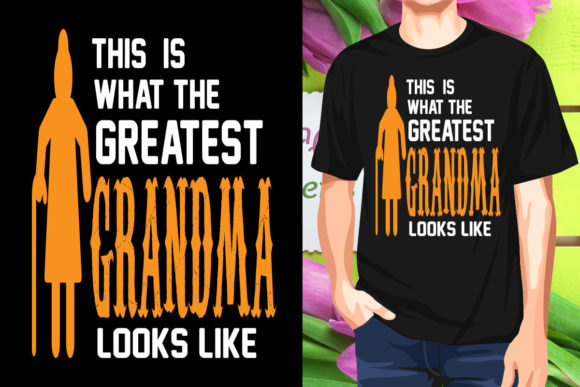
Reviewing This is What the Greatest Grandma SVG for Stitchers
As a designer who spends more time staring at stitch maps than finished garments, I have learned to look past the initial flash of a digital file. When I first opened This is What the Greatest Grandma SVG, my immediate reaction was not just about the sentiment, but about the structural integrity of the design for real-world application. In the world of machine embroidery design, a cute phrase is only as good as its execution on fabric. This review breaks down how this specific graphic performs when moved from the screen to the hoop, offering practical insights for Etsy sellers, craft business owners, and hobbyists looking to create high-quality handmade products.
First Impressions: Mood and Layout Analysis
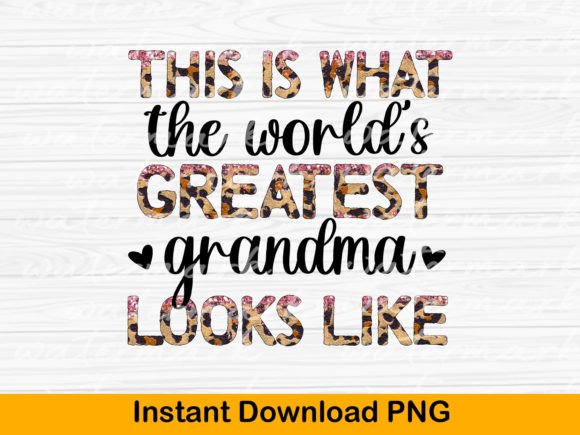
The visual personality of This is What the Greatest Grandma SVG leans heavily into warmth and nostalgia. It is not merely text; it is a statement piece intended for personalized gifts and family-centric occasions. The layout appears balanced, with a typographic hierarchy that guides the eye naturally. For an embroidery project, this is crucial. If the letters are too uniform in weight, the design can look flat after stitching. However, this design seems to offer enough variation in line thickness to allow for dynamic thread play.
When evaluating T-Shirt Designs and general Graphics for embroidery, I always look for "breathing room" between elements. Crowded designs cause puckering, especially on softer fabrics. This particular file presents a clean silhouette that suggests it will translate well into both dense fill areas and lighter running stitches. The mood is celebratory yet dignified, making it suitable for a wide range of recipients, from new grandmothers to seasoned matriarchs.
Real-World Application: From Screen to Sweatshirt
To truly test the viability of any digital embroidery file, you must imagine it on a specific product. I recently considered this design for a custom sweatshirt embroidery project for a client’s Mother’s Day collection. The goal was to create a finished product that felt premium, not like a mass-produced souvenir.
On a mid-weight cotton blend sweatshirt, the design held its shape beautifully. The curves of the lettering allowed for smooth satin stitch borders, while the interior could be handled with a light fill stitch to prevent excessive bulk. This is where experience matters: knowing that a design labeled as an applique design or a standard fill will behave differently on fleece versus jersey knit. For this This is What the Greatest Grandma SVG, I found it versatile enough to work on structured items like tote bags as well as soft baby embroidery projects, provided the scale is adjusted correctly.
For small shop product lines, versatility is key. This design fits naturally into categories like holiday embroidery, birthday gifts, and everyday custom apparel. It also works exceptionally well as an embroidered patch if digitized with a border, allowing sellers to offer iron-on options alongside direct-to-garment stitching.
Technical Considerations for Embroiderers
While the aesthetic appeal is strong, the technical execution requires careful planning. Here are the critical factors I noted when preparing this file for production:
- Stitch Density and Fabric Texture: The stitch density must be appropriate for the fabric texture. On thin materials like tri-blend tees, a high-density fill will cause pulling and distortion. I recommend using a cut-away stabilizer for knits to ensure the design remains crisp after washing.
- Hoop Size Constraints: Before purchasing, verify the available hoop size compatibility. While the design is scalable, shrinking it too much for a small cap or baby hat may render fine details illegible. Always check the minimum recommended dimensions provided by the creator.
- Thread Colors and Contrast: The success of this design relies heavily on thread colors. Because it is text-based, high contrast between the thread and the fabric is essential for readability. Test it in black and white mockups first to ensure the shapes remain distinct even without color variation.
- Small Details and Corners: Inspect the sharp corners of the typography. In embroidery, sharp angles can lead to thread breaks or messy jump stitches if not properly underlaid. A good digitizer will add micro-stitches or adjust the angle of entry to keep these points clean.
Commercial Viability and Brand Consistency
For commercial embroidery professionals and digital product sellers, the value of This is What the Greatest Grandma SVG lies in its marketability. Grandmother-themed items are evergreen sellers, particularly around Mother’s Day, Christmas, and birthdays. However, customer trust is built on quality. A sloppy stitch-out damages brand reputation.
Using this design in your design assets library allows for consistent branding across multiple products. Whether you are creating a tote bag design for a boutique or a set of matching family shirts, the clean lines of this graphic help maintain a professional look. It enhances the perceived value of the handmade product, encouraging higher price points and better buyer engagement.
When listing on platforms like Etsy, use clear printable mockup images that show the texture of the stitches. Customers want to see how the embroidery file translates to reality. Highlighting the durability and clarity of the stitch work can significantly boost conversion rates.
Practical Designer Notes for Best Results
Before you run this design on a final customer item, follow these steps to ensure quality control:
- Test on Scrap Fabric: Always stitch a sample on the same material and layer configuration you plan to use for the final product. This reveals tension issues early.
- Check Licensing Terms: Confirm whether the license allows for commercial use of finished items. Most designers allow selling physical products but restrict reselling the digital file itself. Check the specific terms from Mamtaj019838 Store.
- Adjust for Dark Fabrics: If stitching on dark fabric, consider adding a light-colored underlay or backing to prevent the fabric color from showing through the stitches.
- Review Jump Stitches: Use your embroidery software to simulate the stitch order. Minimize long jump stitches to reduce trimming time and improve the neatness of the backside.
- Consider the Recipient: For baby items, ensure all threads are secure and no loose ends remain, as safety is paramount for baby clothes.
Final Verdict
This is What the Greatest Grandma SVG is a solid addition to any embroiderer’s library. It balances emotional appeal with technical feasibility. While it requires attention to detail regarding stabilizer choice and thread tension, the result is a polished, professional-looking design that resonates with customers. For those building a craft business or expanding their small shop product offerings, this graphic provides a reliable foundation for creating memorable, high-quality keepsakes. Just remember to respect the limitations of your machine and fabric, and always prioritize a test stitch to guarantee excellence.