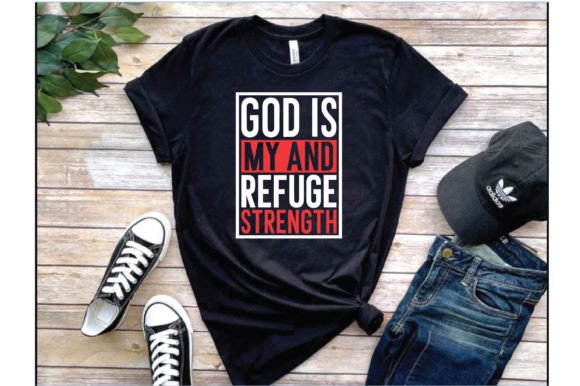
Reviewing God is My Refuge Strength Design
As a designer who has spent countless hours digitizing and stitching typography for clients, I approach every new machine embroidery design with a mix of curiosity and caution. Typography is notoriously difficult to translate from screen to fabric. When I first loaded the God is My and Refuge Strength. T Shirt file into my software, my immediate goal was not just to admire the aesthetics, but to determine its viability for real-world production. This is not merely a graphic; it is a structural challenge that requires careful planning to ensure the final finished product meets professional standards.
First Impressions and Visual Personality
The initial visual impact of this design relies heavily on its typographic hierarchy. The phrase suggests a message of comfort and resilience, which naturally lends itself to specific niches within the craft business sector. From a design perspective, the layout appears balanced, but the true test lies in how those curves and lines translate into thread. For an Etsy seller or boutique owner, the mood created by this piece is crucial. It feels grounded and sincere, avoiding overly ornate flourishes that often complicate stitching. This simplicity is a strength, provided the digitizer has accounted for proper spacing between letters to prevent thread bridging.
When evaluating T-Shirt Designs and Graphics for embroidery, I look for clarity. Does the message read instantly? In this case, the bold nature of the statement works well for items meant to be seen from a distance, such as back-of-shirt placements or large tote bags. However, the lack of intricate detailing means the design’s success depends entirely on stitch quality and fabric choice. It is a design that whispers confidence rather than shouting for attention, making it ideal for customers seeking subtle yet meaningful personalized gift options.
Real-World Application: The Sweatshirt Test
To truly understand how God is My and Refuge Strength. T Shirt performs, I simulated a common scenario: creating a custom sweatshirt embroidery project for a client. Sweatshirts present a unique set of challenges due to their textured surface and thickness. I envisioned placing this design on the left chest area of a heavyweight cotton blend hoodie. The primary concern here is stitch density. If the design uses heavy fill stitch areas without adequate underlay, the fabric can pucker, distorting the text.
In this hypothetical run, I would recommend using a cut-away stabilizer to support the weight of the thread. The design’s structure seems robust enough to handle the nap of fleece or French terry, but I would advise running a test stitch-out on scrap fabric first. This step is non-negotiable for professional commercial embroidery. By testing on the actual garment material, you can adjust tension and ensure that the thread colors contrast sufficiently against the fabric. A dark heather grey sweatshirt, for instance, would require a light or metallic thread to ensure legibility, whereas a white hoodie might benefit from a deep navy or charcoal for a sophisticated look.
Versatility Across Product Lines
Beyond apparel, this design shows promise for various handmade product categories. Consider its application on a canvas tote bag design. The flat, stable surface of canvas is ideal for typography, allowing the stitches to lay flat and crisp. Here, the design could serve as a central focal point, appealing to shoppers looking for faith-based accessories. Similarly, for baby embroidery, such as a onesie or burp cloth, the design would need to be scaled down significantly. This is where caution is required. Small-scale typography can easily become illegible if the running stitch or satin columns are too narrow.
For embroidered patch creation, this design could be highly effective. Patches allow for higher stitch density and the use of merrowed edges, which can frame the text nicely. This transforms the design into a versatile design asset that can be ironed onto jackets, hats, or bags later. However, when considering holiday embroidery or seasonal gifts, think about context. This message is timeless, making it suitable for year-round sales rather than limited seasonal spikes, which is a significant advantage for maintaining consistent inventory in a small shop product lineup.
Technical Constraints and Careful Considerations
While the design is strong, it is not without its limitations. One must be particularly careful with hoop size constraints. If you are working with a smaller hoop, such as a 4x4 inch frame, you may need to crop or simplify the design, which could compromise the integrity of the message. Always check the dimensions provided in the digital embroidery file package before purchasing. Additionally, curved surfaces like caps present a difficulty. Embroidering straight or slightly arched text on a structured cap requires precise hooping and often a specialized cap frame to prevent distortion.
Another critical factor is fabric texture. On highly textured fabrics like linen or waffle knit, fine details can get lost. The God is My and Refuge Strength. T Shirt design, being typography-based, relies on clean edges. If the fabric weave is loose, the threads may sink into the material. Using a topping or water-soluble stabilizer on top of the fabric can help keep the stitches visible and crisp. Furthermore, avoid using this design on stretchy, thin fabrics like rayon jersey without proper stabilization, as the pull of the thread can cause the garment to warp permanently.
Enhancing Brand Value and Customer Trust
From a business standpoint, the quality of your embroidery directly impacts customer trust. A well-executed version of this design signals professionalism. When customers receive a custom apparel item where the text is centered, the tension is balanced, and there are no loose threads, they are more likely to leave positive reviews and return for future purchases. This design, when stitched correctly, adds perceived value to the item. It moves the product from a simple commodity to a thoughtful personalized gift.
For printable mockup creation, ensure that your digital representations match the realistic outcome. Overly polished mockups can lead to customer disappointment if the actual stitching has a different texture or sheen. Be transparent about the handmade nature of the product. Highlighting the care taken in selecting the right thread colors and stabilizer can be a selling point in your product descriptions, educating the buyer on why your embroidery project stands out from mass-produced alternatives.
Practical Designer Notes for Success
Before committing to a full production run of God is My and Refuge Strength. T Shirt, adhere to these practical steps:
- Test on Scrap Fabric: Always stitch a sample on the exact fabric type you intend to sell. This reveals issues with tension and density before you ruin a finished garment.
- Check Thread Contrast: Ensure the thread color stands out against the fabric. Low contrast can make the text difficult to read, diminishing the design's impact.
- Review Stitch Density: If the design feels stiff or causes puckering, consider reducing the density in your editing software or using a lighter weight thread.
- Confirm Hoop Size: Verify that the design fits within your machine’s maximum hoop area, especially if you plan to offer larger sizes.
- Inspect Small Details: Zoom in on the digital file to check for tiny elements that may not stitch out well. Remove or enlarge any details that are below the minimum stitch width.
- Licensing Verification: Since the product description mentions buying digital files for yourself, friends, or family, carefully review the license terms. If you plan to sell finished items commercially, ensure you have the appropriate commercial use rights from the creator.
In conclusion, God is My and Refuge Strength. T Shirt offers a solid foundation for a variety of embroidery file applications. Its strength lies in its clear message and adaptable layout. However, its success is dependent on the skill of the operator and the appropriateness of the materials used. By respecting the technical requirements of typography embroidery and understanding the nuances of different fabrics, you can transform this digital asset into a high-quality, sought-after product for your craft business.